
November 25, 2026
Agency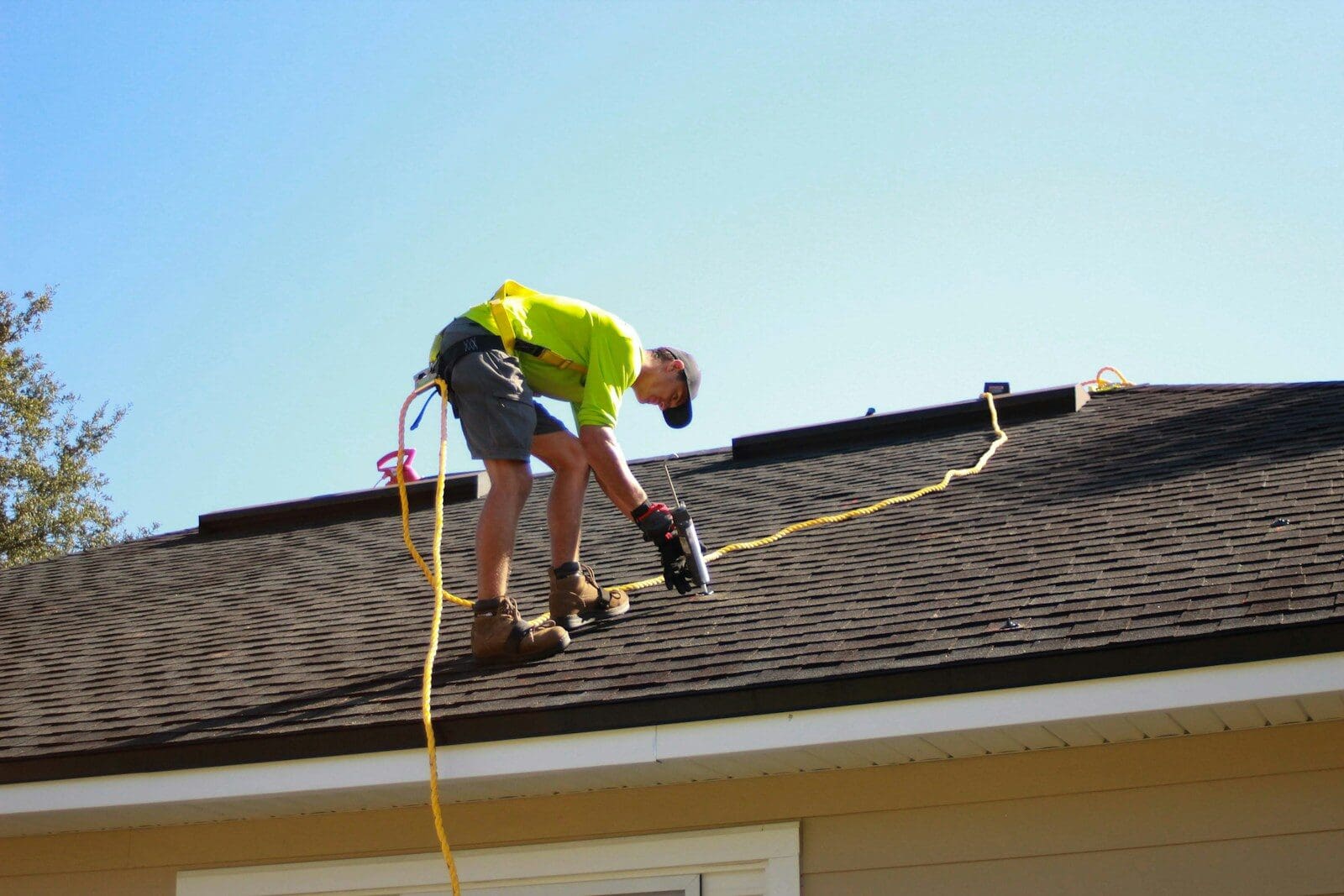
Workers’ Compensation Insurance: How to Reduce Fall Risk for Roofers
Roofing crews replacing shingles after storm season or tackling new builds during summer heat face steep pitches, shifting weather and physical fatigue. Tennessee’s construction industry rules generally require roofing contractors with employees to have workers’ compensation insurance, but having a policy is only part of protecting your business. A strong safety culture influences claim frequency, which can shape what you pay for coverage.
Common Fall Hazards on the Job Site
Crews in the region face wet spring conditions and summer heat, which accelerates fatigue. Common hazards include:
- Unsecured ladders or ladders positioned at improper angles
- Walking surfaces made slippery by dew, debris or worn footwear
- Missing or improperly installed guardrails and fall arrest anchors
- Overloaded tool belts and awkward material handling near roof edges
- Inadequate communication when crew members are working in close proximity
Training and Equipment That Make a Difference
Personal fall arrest systems, including harnesses, lanyards and roof anchors, should be inspected before every shift. OSHA-required fall protection training provides a documented baseline, but consistent toolbox talks reinforce habits between formal sessions. Supervisors who walk rooftops before work begins, checking anchor points and clearing debris, set a standard the crew follows.
How Safety Practices Affect Your Workers’ Compensation Coverage
Insurers review loss history when pricing workers’ compensation policies. Your experience modification rate compares your claims with similar roofing businesses and adjusts your premium. Safety programs don’t change that rate directly, but fewer and less severe claims do. Over time, a better claims record can lower your premiums.
Connect With Us
Roofing contractors serving Johnson City, TN and nearby areas carry real exposure on every job. Contact Westmoreland Insurance - A Division of Carriage Hill today to review your workers’ compensation coverage and discuss how your safety practices factor into your policy. Our agents can help you build a solid business insurance program.
This blog is intended for informational and educational use only. It is not exhaustive and should not be construed as legal advice. Please contact your insurance professional for further information.
Categories: Blog, Business Insurance